send an email - go to the contact page We are a 501(c)4
LATEST NEWS
isit PEN for in-depth coverage of how America is addressing the climate crises. Systemic racism has held back progress, along with the deep pockets of industry that don’t want to change the status quo.
Protect Earth Newsmagazine highlights what lawmakers from the local level on up to the Federal Government are doing to protect the earth. We also report on community ingenuity and innovations that will help the U.S.A. transition to being powered by 100 percent, clean renewable energy. A 501(c)4
Winter snow in Maine’s Chadbourne Tree Farm helps replenish local streams and underground aquifers, which feed into the Sebago watershed and provide drinking water for more than 200,000 people in the greater Portland area. (Adobe Stock) Listen to this story HERE Oct 31, 2026 By Kathryn Carley Conservationists are celebrating the permanent protection secured for more than 27,000 acres of […]
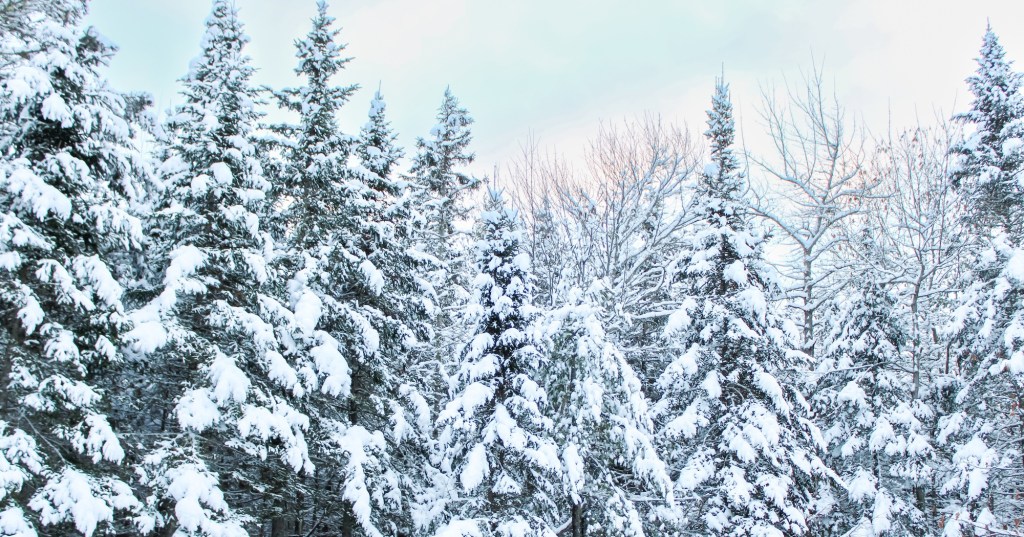
Winter snow in Maine’s Chadbourne Tree Farm helps replenish local streams and underground aquifers, which feed into the Sebago watershed and provide drinking water for more than 200,000 people in the greater Portland area. (Adobe Stock)
Conservationists are celebrating the permanent protection secured for more than 27,000 acres of forest in western Maine.
The land serves as an important corridor for wildlife to northern forests and will continue to provide year-round recreational access to a connected trail network.
Tom Duffus, vice president and Northeast representative for The Conservation Fund, said various land trusts and multiple public and private funders worked for years to ensure the area remains free of development.
“Here in the state of Maine, our tradition and our culture is that we help our neighbor and we work with each other to get bigger things done, and that’s exactly what has happened here,” Duffus explained.
Year-round outdoor recreation has grown increasingly important to Maine’s economy, contributing nearly $4 billion in 2024, while supporting more than 32,000 jobs.
The project removes the boundary between the popular skiing spots of Sunday River and Mt. Abram, turning the area into a single, connected outdoor destination. The effort began in 2020 with the purchase of the 15,000-acre Chadbourne Tree Farm near Bethel, which is rich with red oak and white pine trees.
Duffus pointed out the area will remain a working forest and the land will still provide timber and pulp. He noted the work done by multiple partners and agencies shows it is possible to preserve a forest and grow a local economy.
“By securing large-scale working forests, we’re able to contribute to the long-term sustainability of some of these communities and the mills and the jobs that are provided by the land,” Duffus said.
Natural resource leaders said forests also serve as powerful water filters. The Chadbourne Tree Farm sits at the head of the Crooked River, the largest tributary to Sebago Lake, which provides drinking water for some 250,000 people in the Greater Portland region.
Duffus added the value of the efforts in the face of climate change is to support the region’s biodiversity and build resilience across the landscape.
Maine Insights, a 501(c)4, connects our main streets with lawmakers in Augusta, highlighting state policies, technological innovations, agriculture, education, community growth and economics with factual analysis, individual profiles and exclusive in-depth coverage. We also report on areas where justice is not being served in the hope to be a contributing catalyst for change.
Your contribution today, will ensure our reporting continues into the future. Please send your donation to 8 Brook St., Solon, ME 04979.
Visit PEN for in-depth coverage of how America is addressing the climate crises. Systemic racism has held back progress, along with the deep pockets of industry that don’t want to change the status quo.
Protect Earth Newsmagazine highlights what lawmakers from the local level on up to the Federal Government are doing to protect the earth. We also report on community ingenuity and innovations that will help the U.S.A. transition to being powered by 100 percent, clean renewable energy. A 501(c)3 project of the Solon Center for Research and Publishing.
LATEST NEWS
SCIENCE MONDAY
Helpful science tips in playful videos that explain principles we all deal with to understand our climate crisis. The PENseries is the creation of Olivia Baaten.