send an email - go to the contact page We are a 501(c)4
LATEST NEWS
isit PEN for in-depth coverage of how America is addressing the climate crises. Systemic racism has held back progress, along with the deep pockets of industry that don’t want to change the status quo.
Protect Earth Newsmagazine highlights what lawmakers from the local level on up to the Federal Government are doing to protect the earth. We also report on community ingenuity and innovations that will help the U.S.A. transition to being powered by 100 percent, clean renewable energy. A 501(c)4
October 15, 2026 Listen to the story HERE. By Kathryn Carley North Atlantic right whales were hunted to near extinction prior to being listed as an endangered species in 1970. The North Atlantic Right Whale Consortium estimated the 2024 population at 384, up from 376 in 2023. (Adobe Stock) Environmental groups warn federal regulators have stripped the Endangered Species Act […]
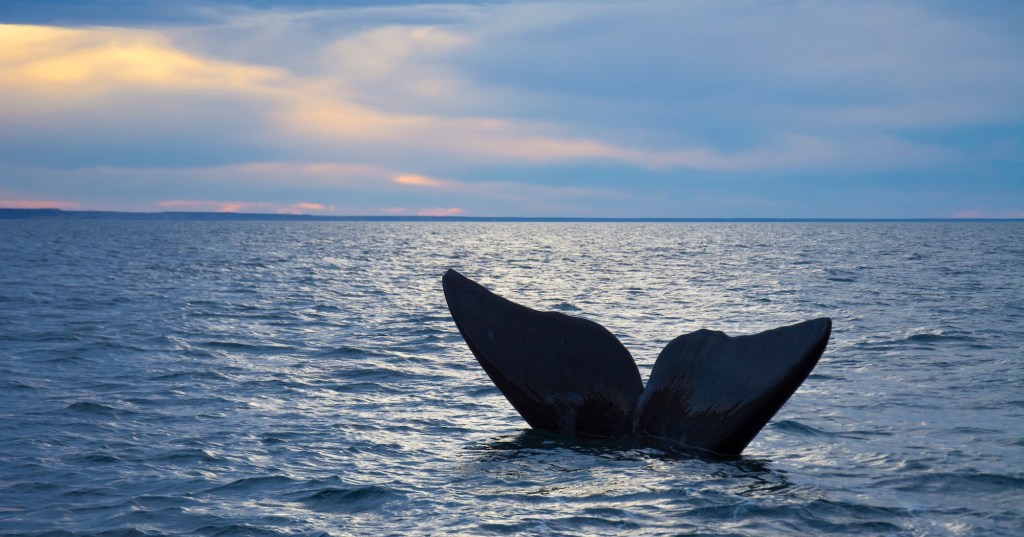
North Atlantic right whales were hunted to near extinction prior to being listed as an endangered species in 1970. The North Atlantic Right Whale Consortium estimated the 2024 population at 384, up from 376 in 2023. (Adobe Stock)
Environmental groups warn federal regulators have stripped the Endangered Species Act of decades-old protections, making it easier to kill imperiled wildlife or destroy their habitats.
The U.S. Fish and Wildlife Service has reinterpreted language within the law to ensure the incidental killing or injuring of a protected animal, known as a “take,” is illegal only if it was intentional.
Jim Murphy, associate vice president of legal advocacy for the National Wildlife Federation, said the Trump administration is attempting to write the Endangered Species Act out of existence.
“This is a unilateral move by the executive branch to basically undo one of Congress’s most successful acts without Congress or anyone else having a say, and that’s a very, very troubling development,” Murphy stressed.
Murphy pointed out oil and gas drilling or mining operations can now proceed without concern for endangered species. Federal regulators said the administrative changes return the interpretation of the Endangered Species Act to its original intent and will end years of federal overreach.
At least nine animals listed under the federal Endangered Species Act reside in Maine, including the Canadian lynx, the northern long-eared bat and leatherback sea turtle. The state is also home to more than 800 nesting pairs of bald eagles, which are considered a premier example of the law’s success.
Marine researchers warned changes to the law could drive the remaining North Atlantic right whale population to extinction. Murphy noted the Endangered Species Act would offer little protection unless it can be shown the intent of a ship, for example, was to hit and kill a whale.
“We are going to lose a lot of species if we don’t take the measures to protect their habitat and we don’t take the measures to protect them from activities that incidentally harm them,” Murphy contended.
Vessel strikes and fishing net entanglements are the greatest threat to North Atlantic right whales, which have been slowly increasing in number thanks to Endangered Species Act protections.
Murphy added the National Wildlife Federation and several other groups are challenging the revision made to habitat protections in court and are hopeful the rule will be overturned. A coalition of state attorneys general has filed two separate lawsuits.
Maine Insights, a 501(c)4, connects our main streets with lawmakers in Augusta, highlighting state policies, technological innovations, agriculture, education, community growth and economics with factual analysis, individual profiles and exclusive in-depth coverage. We also report on areas where justice is not being served in the hope to be a contributing catalyst for change.
Your contribution today, will ensure our reporting continues into the future. Please send your donation to 8 Brook St., Solon, ME 04979.
Visit PEN for in-depth coverage of how America is addressing the climate crises. Systemic racism has held back progress, along with the deep pockets of industry that don’t want to change the status quo.
Protect Earth Newsmagazine highlights what lawmakers from the local level on up to the Federal Government are doing to protect the earth. We also report on community ingenuity and innovations that will help the U.S.A. transition to being powered by 100 percent, clean renewable energy. A 501(c)3 project of the Solon Center for Research and Publishing.
LATEST NEWS
SCIENCE MONDAY
Helpful science tips in playful videos that explain principles we all deal with to understand our climate crisis. The PENseries is the creation of Olivia Baaten.